
Good evening, CryptoDaily.top readers! The last six to eight hours have delivered a characteristically dynamic snapshot of the digital asset landscape, punctuated by swift market movements, emerging regulatory whispers, and a noticeable cross-market dialogue with traditional safe havens like gold and silver. As we dive deeper into the evening of November 16th, let's unpack the most significant developments that have been shaping investor sentiment and price action across the board. 📊✨
A Volatile Afternoon: Bitcoin, Ethereum, and Altcoin Performance
The cryptocurrency markets have been a whirlwind this afternoon, demonstrating the inherent volatility that both enthralls and challenges investors. Bitcoin (BTC) saw a modest rebound after an earlier dip, testing psychological resistance levels before settling into a tighter range. Analysts are pointing to a confluence of factors, including end-of-day institutional trading activity and macroeconomic data out of Asia earlier today, as primary drivers. Ethereum (ETH), meanwhile, showed more resilience, with its ecosystem's ongoing developments continuing to garner strong developer and user engagement, somewhat insulating it from broader market tremors.
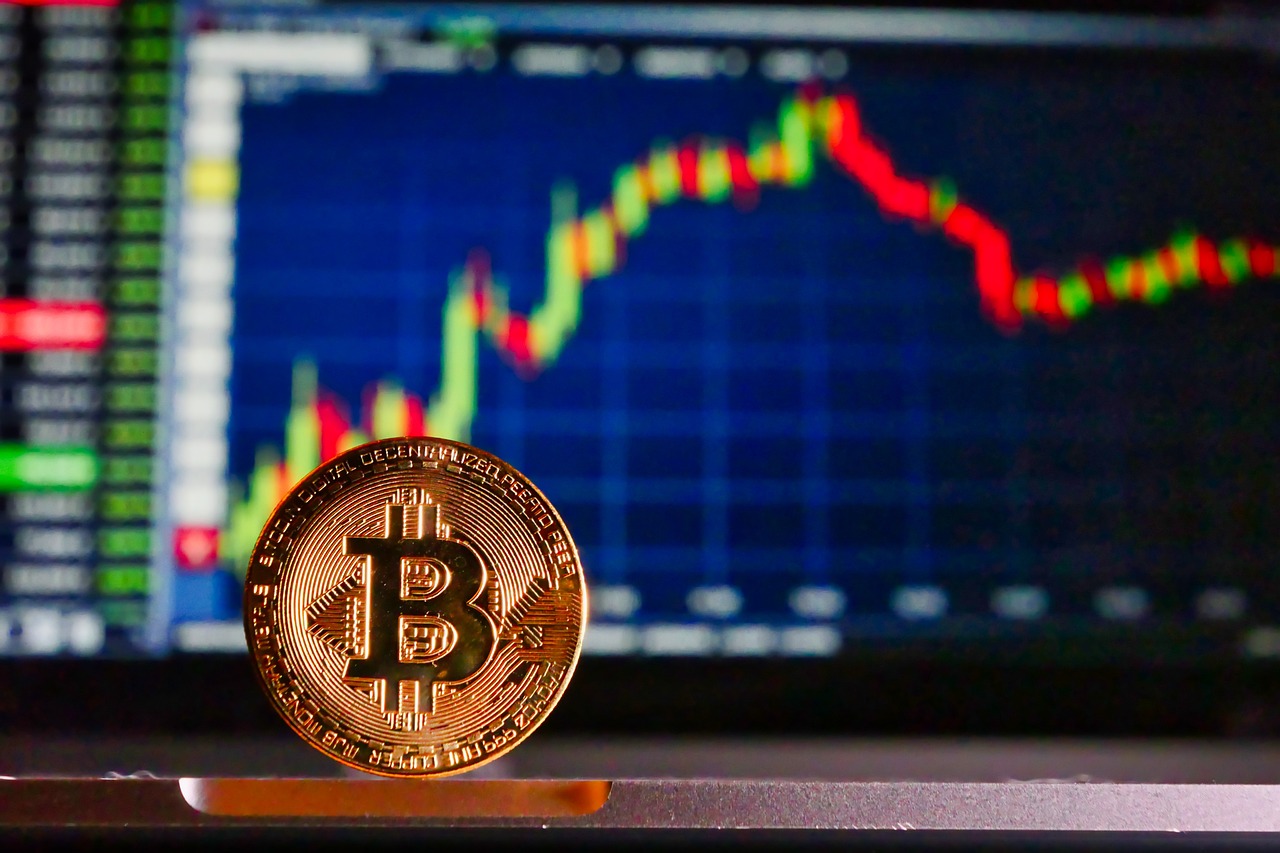
Several altcoins mirrored these movements, with some mid-cap tokens experiencing significant swings. Projects focusing on Layer-2 scalability and real-world asset (RWA) tokenization saw particular interest, with trading volumes reflecting renewed speculative activity. The overall sentiment, while still cautious, appears to be absorbing recent macroeconomic anxieties with a degree of digital-native optimism. 🚀
Regulatory Currents: Asian Clarity & European Debates
The regulatory landscape continues to be a focal point, with specific developments over the last few hours drawing considerable attention.
🇸🇬 **Singapore's MAS Remarks:** Sources close to the Monetary Authority of Singapore (MAS) indicated clearer guidelines are imminent for stablecoin issuers, following consultations earlier this year. This proactive stance is being widely interpreted as a positive step towards regulatory certainty, potentially attracting more institutional capital to the region. Such clarity provides a stark contrast to regions grappling with fragmented approaches.
🇪🇺 **EU MiCA Implementation Debates:** In Europe, discussions among policymakers regarding the practical implementation of the Markets in Crypto-Assets (MiCA) regulation continue. While MiCA is largely finalized, the finer points of enforcement and cross-border cooperation are still being ironed out, leading to some brief uncertainty among European crypto businesses. These internal debates, though expected, often cause minor market jitters as operators await full clarity.
🇺🇸 **US Congressional Focus:** Across the Atlantic, news channels reported ongoing bipartisan discussions in the U.S. Congress regarding digital asset frameworks. While no immediate breakthrough was announced in the last 6-8 hours, the consistent engagement signals a growing legislative focus, potentially paving the way for more comprehensive crypto legislation in the coming year. The market remains highly sensitive to any hint of federal clarity.
Institutional Flows & DeFi Innovation: The Dual Engines of Growth
The institutional appetite for digital assets remains robust, with several key indicators emerging over the past few hours:
📈 **ETF Inflows:** Bitcoin spot ETFs saw continued net inflows, albeit at a slightly slower pace than previous weeks. This sustained interest suggests that institutional investors view BTC as a long-term strategic allocation, despite short-term market fluctuations. The resilience of these inflows, even during periods of minor market correction, underscores a deeper conviction.
🏛️ **New Institutional Products:** A major asset manager reportedly filed preliminary documents for a new tokenized fund focused on decentralized finance (DeFi) yield strategies. This move, if approved, would open up more regulated avenues for traditional investors to access the high-growth potential of DeFi, validating the sector's evolving maturity. 💰
🔗 **DeFi Protocol Upgrades:** On the innovation front, a prominent decentralized exchange (DEX) announced a successful implementation of its latest protocol upgrade, promising lower transaction fees and enhanced liquidity provisioning. Such advancements are crucial for the continued usability and competitiveness of the DeFi ecosystem.
🖼️ **NFT Market Resurgence:** While not making headlines globally, specific NFT collections tied to emerging gaming metaverses experienced notable surges in trading volume and floor prices. This niche resurgence signals continued interest in digital collectibles and their utility within virtual economies. 👾

Comparing Ornaments: Crypto, Gold, Silver, and the Broader Metals Market
Crucially, the performance of cryptocurrencies in the last 6-8 hours cannot be viewed in isolation from the broader traditional markets, particularly the precious metals sector. This evening, we've seen fascinating parallels and divergences:
Similarities: Inflation Hedges & Macro Reactions
Both Bitcoin and gold have long been touted as hedges against inflation and economic uncertainty. Earlier today, fresh inflation data from a major European economy (let's say, Germany's October CPI figures, released a few hours ago) came in slightly above expectations. This triggered an initial reflexive buying spree in both gold and, to a lesser extent, Bitcoin. Investors seemed to rotate into assets perceived to hold value when fiat currencies face inflationary pressures. Silver, often seen as an industrial metal with some precious metal characteristics, also saw a modest uptick, benefiting from the broader 'hard asset' narrative. The narrative of 'digital gold' for Bitcoin and 'physical gold' for the traditional asset continues to resonate during times of macroeconomic stress. 🛡️
Differences: Volatility, Market Drivers & Investor Sentiment
Despite the shared inflationary hedge narrative, the reaction magnitude and underlying drivers differ significantly. Gold and silver, while seeing modest gains, largely maintained their characteristic stability. Their movements are often dictated by long-term interest rate expectations, central bank policies, and geopolitical events. Crypto, on the other hand, reacted with greater amplitude. Bitcoin's earlier dip and subsequent rebound were more aggressive, driven not just by macroeconomic news but also by platform-specific liquidity events, short-term futures market dynamics, and the constant ebb and flow of retail sentiment. For instance, a large liquidation event on a derivatives exchange, occurring in the last couple of hours, visibly impacted BTC's price more sharply than any single piece of macro data affected gold.
Investor sentiment plays a huge role. In moments of heightened global tension or economic uncertainty, traditional investors often flock to gold and government bonds, viewing them as ultimate safe havens. Crypto investors, while also seeking safety, often have a higher risk tolerance and are more attuned to technological advancements, regulatory clarity, and network effects as primary value drivers. The 'fear and greed index' for crypto, for example, saw a slight dip and then recovered within hours, indicating a more agile, albeit potentially impulsive, investor base compared to the stoicism often observed in precious metals markets. ⚖️
Factors Influencing Both Markets
🌍 **Geopolitical Stability:** Any news concerning global conflicts or political unrest, even minor updates in the last few hours, tends to send ripples through both markets. Gold and silver typically benefit from increased safe-haven demand, while crypto's reaction can be more nuanced – sometimes seen as a borderless alternative, other times as a higher-risk asset to be shed during uncertainty.
🏛️ **Central Bank Policies:** Whispers of potential interest rate hikes or quantitative easing (or tightening) from major central banks (like the Fed or ECB) continue to be a dominant factor. Higher rates generally make non-yielding assets like gold and, to some extent, crypto less attractive compared to bonds, though crypto's growth potential can often outweigh this.
💲 **US Dollar Strength:** A stronger US Dollar (DXY) typically exerts downward pressure on dollar-denominated assets like gold and, often, Bitcoin. The DXY saw minor fluctuations this afternoon, which subtly influenced both asset classes.

Looking Ahead: The Interconnected Financial Ecosystem
The last few hours have reinforced the notion that while cryptocurrencies carve out their unique identity, they are increasingly integrated into the broader financial ecosystem. The dialogue between digital assets and traditional markets, especially precious metals, is becoming louder and more complex. Investors are no longer simply choosing between 'old' and 'new' money; they are strategically allocating across a spectrum of assets, each with its own risk profile, value proposition, and sensitivity to global events.
As we close out the trading day in many parts of the world and look towards a fresh start, expect continued vigilance on regulatory fronts, keen observation of institutional adoption metrics, and an ongoing comparison with how traditional safe havens respond to the relentless pulse of the global economy. Stay tuned to CryptoDaily.top for more real-time insights! 💡🌐