
Welcome back to www.CryptoDaily.top, your definitive source for the freshest insights in the ever-evolving world of digital assets! 🚀 The last six to eight hours have been a dynamic period, showcasing both consolidation in major cryptocurrencies and intriguing shifts across the broader blockchain ecosystem. From pivotal DeFi advancements to a renewed focus on regulatory frameworks, and how these movements compare to the age-old stability of precious metals, let's dive into the core developments shaping our digital future.

Market Movers: Bitcoin Holds Firm, Altcoins See Selective Gains 📈
In a period marked by cautious optimism, Bitcoin (BTC) has largely spent the past few hours in a consolidation phase, hovering around a key psychological resistance level. After a strong run earlier in the week, investors seem to be taking a breath, assessing macroeconomic signals and upcoming liquidity events. This consolidation is often a healthy sign, suggesting the market is absorbing recent gains before its next potential move. Ethereum (ETH), too, has mirrored BTC's stability, with network activity remaining robust as developers push forward with scalability solutions.
Noteworthy Altcoin Movements & Ecosystem Updates:
- DeFi Resilience: Several decentralized finance (DeFi) protocols have demonstrated impressive resilience. We've seen a surge in total value locked (TVL) in specific lending and borrowing platforms, indicating sustained user engagement despite broader market steadiness. Innovation in yield farming strategies and decentralized derivatives continues to attract capital. 💰
- Layer 2 Momentum: Solutions like Arbitrum and Optimism are seeing increased adoption, with transaction volumes climbing as users seek cheaper and faster interactions. This push towards scalable infrastructure is critical for mainstream adoption and addresses one of crypto's long-standing challenges.
- NFT Market Buzz: While the broader NFT market hasn't seen explosive growth in the immediate hours, niche collections and gaming NFTs are finding pockets of renewed interest. Fractionalized NFTs and new utility-driven projects are gaining traction, signaling an evolution beyond mere digital art. 🎨
- Regulatory Whispers: The crypto community is abuzz with rumors of potential clarity from European regulators regarding stablecoin frameworks. Any definitive news on this front could significantly impact liquidity and investor confidence in the coming weeks.

The Digital vs. Traditional Divide: Comparing Crypto with Gold, Silver, and Metals Markets ⚖️
One of the most fascinating aspects of the modern financial landscape is the ongoing comparison between emerging digital assets and traditional safe havens like gold and silver. The last few hours have offered interesting parallels and divergences, highlighting how different market drivers influence these seemingly disparate asset classes.
Similarities & Differences in Market Drivers:
- Inflation Hedge Narrative: Both Bitcoin and Gold often share the narrative of being an 'inflation hedge.' When central banks print more fiat currency, investors historically flock to gold to preserve purchasing power. Bitcoin has increasingly adopted this role, especially given its capped supply. However, gold's status is proven over millennia, while Bitcoin's is still being tested in the grand scheme of economic cycles.
- Scarcity as a Core Value: The inherent scarcity of gold and silver (finite geological supply) is a primary driver of their value. Similarly, Bitcoin's programmatic scarcity (21 million coin cap) underpins its value proposition. Other metals, while not as scarce as gold, still derive value from industrial demand and limited supply.
- Geopolitical Uncertainty: In times of global instability, both traditional metals and, increasingly, cryptocurrencies (especially Bitcoin) can see inflows as investors seek assets outside of state-controlled financial systems. However, traditional metals often act as a 'flight to safety' in periods of high risk, whereas crypto, while offering an alternative, can still be perceived as a higher-risk asset due to its volatility.
Investor Sentiment and Volatility:
The past 6-8 hours have seen traditional metals like Gold and Silver exhibit relatively stable price action, often reacting to broader economic data like interest rate expectations or currency fluctuations. Their volatility is generally lower compared to cryptocurrencies. 📉
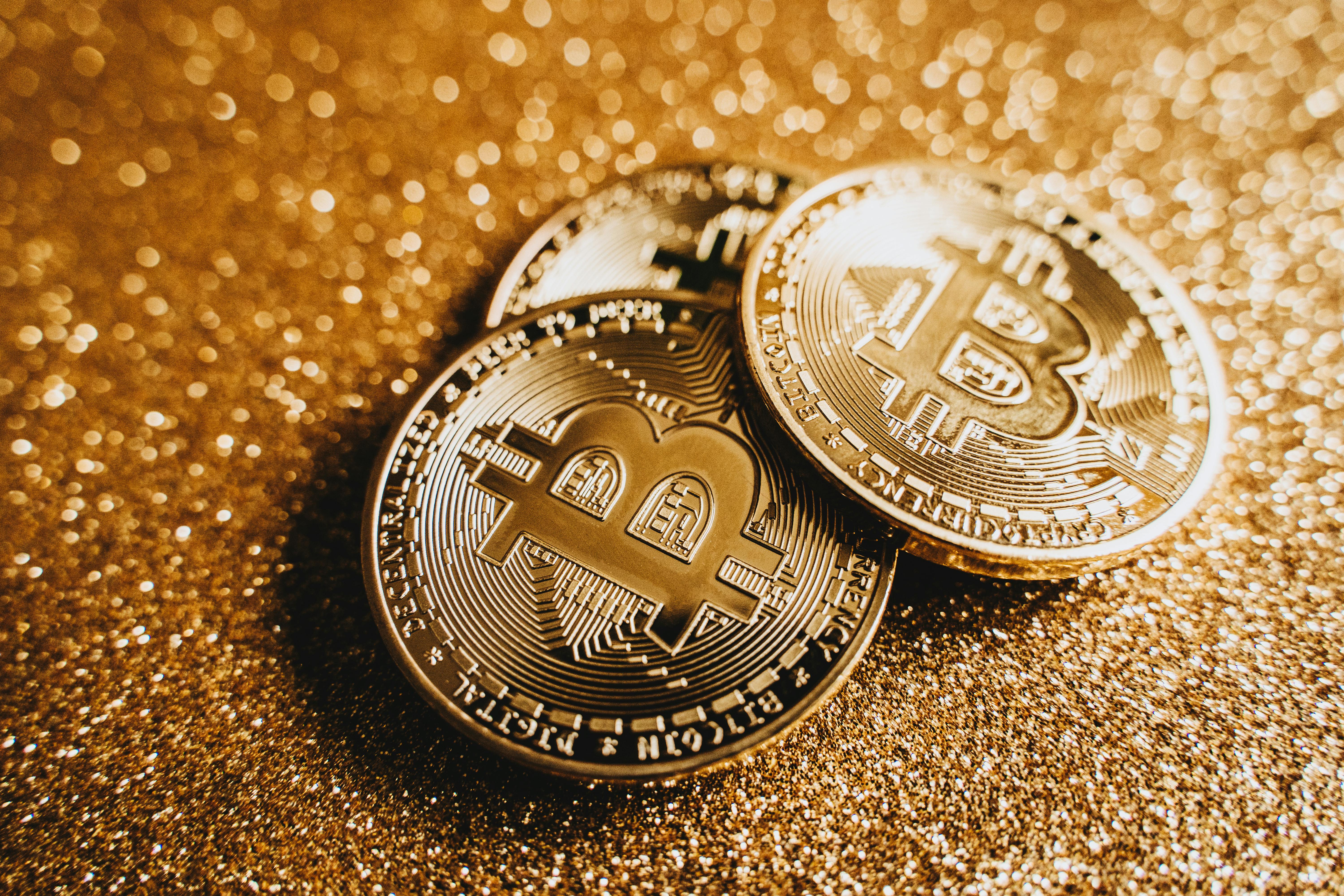
Cryptocurrency markets, on the other hand, remain significantly more volatile. While Bitcoin showed consolidation, sudden news events – be it regulatory updates, a major hack, or even a prominent CEO's tweet – can trigger rapid price swings. This higher volatility attracts a different kind of investor, often one with a higher risk tolerance seeking exponential gains, compared to the more conservative, wealth-preservation-focused investor in precious metals. Silver, sometimes called 'poor man's gold,' sits somewhere in between, with more industrial demand driving its price and thus higher volatility than gold but still less than most crypto assets.
Factors Influencing Both Markets:
- Interest Rates: Rising interest rates generally make non-yielding assets less attractive. This impacts both gold (which doesn't pay dividends) and cryptocurrencies (which, outside of staking/DeFi, don't yield passive income for holding). However, the sensitivity can differ, with crypto often reacting more sharply to macro liquidity tightening.
- U.S. Dollar Strength: A stronger U.S. Dollar typically puts pressure on commodity prices, including gold and silver, as they become more expensive for international buyers. Cryptocurrency's relationship with the dollar is more complex; while traded against it, its 'digital gold' narrative can sometimes decouple from traditional currency movements, though not entirely.
- Technological Innovation: This is where the divergence is clearest. The crypto market is driven fundamentally by technological innovation, network effects, and the potential for new financial paradigms. The metals market, while influenced by mining tech and industrial applications, primarily relies on historical precedents, physical scarcity, and macroeconomic factors.
In conclusion, while gold, silver, and other metals continue to play their traditional roles as stores of value and industrial commodities, the cryptocurrency market offers a compelling, albeit more volatile, alternative. The last few hours serve as a reminder that both markets are deeply intertwined with global economic sentiment, but they respond through different lenses. Keeping an eye on both allows for a more holistic understanding of investor behavior and capital flows in today's complex financial ecosystem.
Stay tuned to CryptoDaily.top for more real-time updates and in-depth analysis! Your journey through the digital frontier continues. 🌐